
AI In Industry
Jan 4, 2026
AI-assisted shopping is already mainstream. Nearly 60% of Americans use gen-AI while shopping, so this is shaping buying behavior now, not later.
Discovery is moving from search to AI answers. Shoppers ask assistants what to buy, and brands only show up if AI “knows” and trusts their data and reputation.
AI-referred traffic is surging fast and converts better. Visits from AI sources are up ~1,300% YoY (holiday 2024) and ~4,700% YoY by mid-2025, with longer sessions and lower bounce.
Recommendation engines drive big revenue quietly. They account for 30%+ of ecommerce revenue and can lift AOV ~369% when shoppers engage.
AI adoption is basically universal in retail. 78% of orgs use AI somewhere, and 97% of ecommerce companies have AI on the roadmap—competitive standards are resetting.
ChatGPT is turning into a direct shopping channel. Retailers like Walmart (and upcoming partners like Target, plus Etsy/Shopify sellers) are integrating catalogs and checkout into ChatGPT
“AI visibility” is the next SEO. With ChatGPT influencing purchases, brands need clean product data, strong reviews, and clear positioning to be recommended.
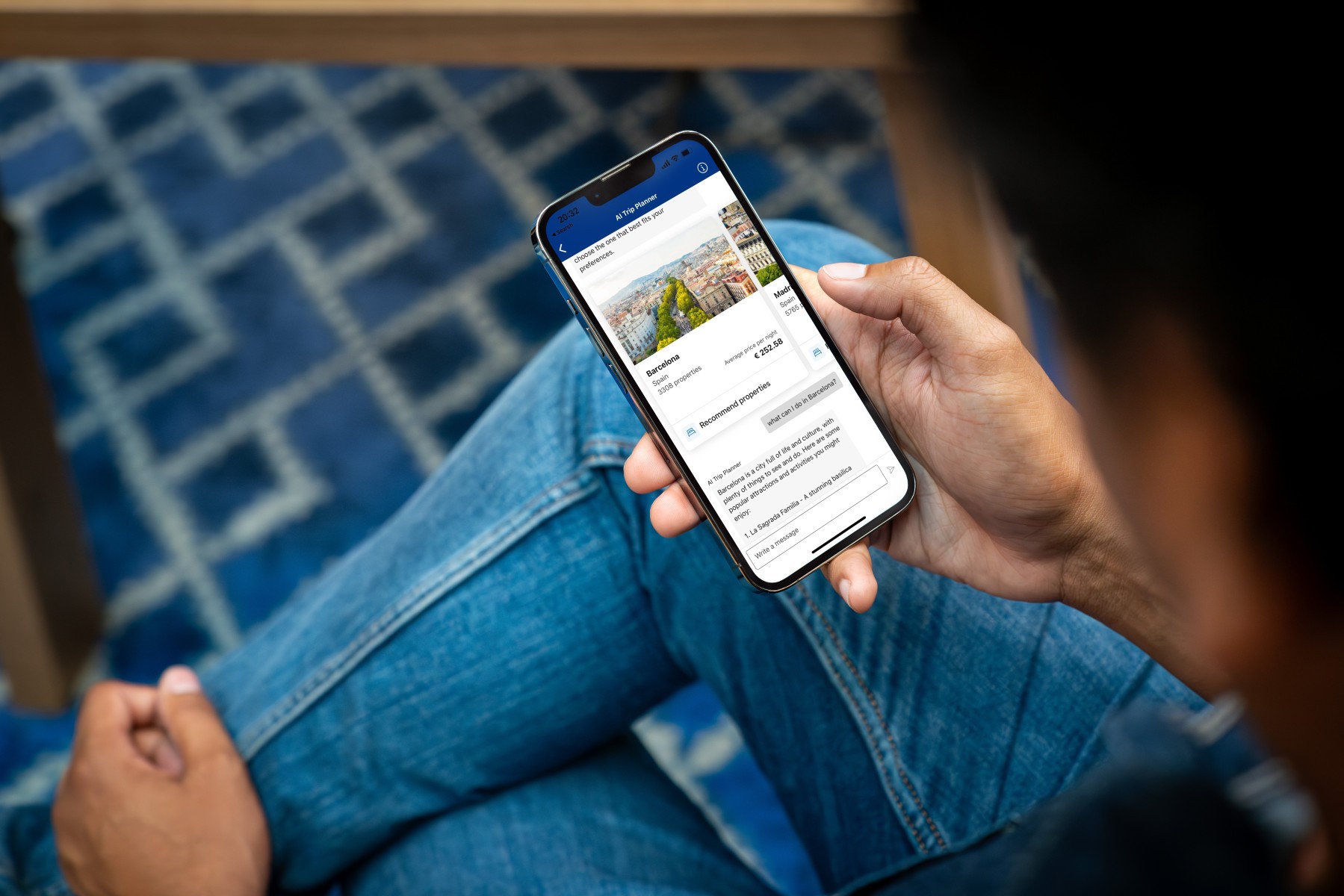
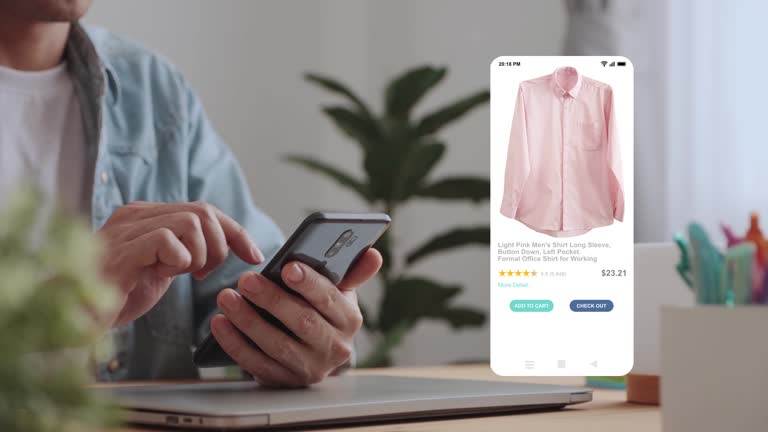
Picture this: a shopper finds your product through an AI chat instead of a search bar. That’s not futuristic anymore. By mid-2025, nearly 60% of Americans were already using generative AI tools to help them shop online [1]. People are asking assistants what to buy, getting personalized picks, and even letting AI build carts for them.
The shift is showing up in real traffic, too. AI-driven shopping visits to U.S. retail sites surged through 2024–2025 [2]. Shoppers are doing research, hunting deals, and discovering brands through AI first — and then clicking through with clearer intent.
The biggest structural shift in ecommerce today is how people find products. In the past, they searched. Now, they ask.
Instead of typing keywords into Google or scrolling Amazon pages, shoppers are using AI assistants to tell them what to buy based on their needs, context, or pain points. Think “best sandals for flat feet” or “a humidifier that’s easy to clean.” The results aren’t lists—they’re direct answers. And whether your brand is in that answer depends entirely on what the AI knows and trusts about you.
In 2025, 38% of U.S. consumers had already used generative AI to help them shop, with another 52% planning to try it soon [2]. That’s not a trend—it’s a tipping point.
Even more telling: AI-referred visits jumped 1,300% YoY during the 2024 holiday season, and by mid-2025 were up +4,700% YoY [2]. These aren’t low-quality clicks either—AI-sourced shoppers stay 32% longer and bounce 27% less, meaning they’re better qualified from the start.
Why does this matter to marketers? Because AI assistants are becoming the new gatekeepers of product visibility. They act as filters—only recommending products that are well-described, well-reviewed, and clearly positioned. If your brand’s content is vague, your product data messy, or your reviews thin, you’re invisible. It’s SEO logic all over again, but now you’re optimizing for machines that summarize, not search.
Failing to adapt doesn’t just mean fewer clicks. It means being left out of the decision entirely.
While generative AI gets the headlines, traditional AI—especially recommendation engines—continues to quietly drive serious growth behind the scenes.
Recommendations now contribute over 30% of ecommerce revenue for many leading brands [3]. They aren’t just upsell tools—they shape the entire customer experience. When done well, they personalize product discovery, simplify decision-making, and dramatically increase conversion.
Sessions that interact with recommendations see a 369% lift in average order value (AOV), and clicking on just one makes a shopper 4.5× more likely to buy [3]. These small nudges—“you may also like,” “customers also bought”—compound across thousands of visits, quietly lifting margins without buying new traffic.
For marketers, this is the difference between pushing more spend into acquisition vs. getting more value out of each session. Brands that ignore or underinvest in recommendation engines face stagnant cart sizes, lower repeat rates, and rising CAC. Especially as AI-trained shoppers grow accustomed to ultra-relevant experiences, anything generic now feels broken.
AI isn’t a future trend—it’s a present necessity.
As of 2025, 78% of U.S. organizations are already using AI in at least one business function, and 97% of ecommerce companies have it on their strategic roadmap [3]. Consumer adoption is just as fast: 61% of U.S. adults have now used AI during a shopping journey [4].
This shift doesn’t just raise the bar—it resets the standard. Shoppers now expect immediate support, personalized journeys, and product relevance that feels intuitive. That means generic pages, slow response times, and outdated recommendations don’t just underperform—they repel.
For brands that delay, the cost isn’t just falling behind—it’s falling off the map. In a world where AI curates the shelf, invisibility is the new irrelevance.
Because the future of ecommerce visibility isn’t being built on Google, it’s being built inside ChatGPT.
As of 2025, 53% of U.S. adults now use ChatGPT regularly—and that number jumps to 67% among those under 35 [5]. That’s your next wave of buyers. But here’s the catch: they’re not searching, they’re asking. And AI assistants aren’t surfacing ten blue links. They’re choosing one answer.
If your brand isn’t cited in that answer—or worse, if it’s not even understood by the system—you’re invisible.
26% of ecommerce users now say they’ve purchased a product directly from a ChatGPT recommendation [5].
AI-referred traffic grew over 4,700% year-over-year as of mid-2025 source.
Those visits bounce 27% less and stay 32% longer [5].
This is revenue re-routed—algorithmically—before your paid ads or SEO content even load.
You don’t need to rebuild your stack overnight. But if you’re not thinking about AI visibility, discoverability, and recommendation readiness now, you're behind. Brands that wait are the ones that disappear.
This isn’t theoretical anymore — major retailers are wiring their catalogs and checkout flows directly into ChatGPT, turning it from a research tool into a place people can actually buy.
What’s already live or rolling out
Walmart + ChatGPT “Instant Checkout.” OpenAI and Walmart announced an integration that lets shoppers browse Walmart products inside ChatGPT and complete purchases through Instant Checkout. The idea is simple: a user can chat about what they need (meal planning, restocking essentials, gift ideas) and go from recommendation to purchase without leaving the conversation. [6]
Target app inside ChatGPT. Target is launching a native shopping app within ChatGPT where users can get personalized product picks, build multi-item carts, and check out with Drive Up, Order Pickup, or shipping. It’s positioned as a new discovery surface, not just a support widget. [7]
Etsy + Shopify sellers first. Instant Checkout debuted earlier with Etsy and Shopify merchants, giving ChatGPT users a direct way to buy from participating storefronts. Walmart and Target are the next wave of that same channel expansion. [8]
Payments layer is getting standardized. PayPal has partnered with OpenAI to embed PayPal wallet and support payments for Instant Checkout merchants, which makes “chat → checkout” frictionless at scale. [9]
When buying can happen inside ChatGPT, visibility isn’t just about getting the click anymore, it’s about being the product the assistant chooses and the one it can transact. These integrations reward brands that have:
clean, structured product data
clear positioning (so the model knows when to recommend you)
strong trust signals like reviews, availability, and price clarity
In other words, AI visibility is quickly turning into AI commerce. The brands that treat ChatGPT like an emerging storefront — not just a traffic referrer — will be the first to capture sales in this new channel.
Ecommerce competition is shifting toward AI visibility — how often your brand appears in AI recommendations, chat results, voice shopping, and visual search.
Platforms like Yolando are emerging to help brands audit and improve how they show up in AI answers [10]. The logic is simple: if assistants can’t “see” you, shoppers won’t either.
AI now shapes how customers discover products, how they decide, and whether they stay loyal. Brands that adapt early will become the default options AI suggests. Brands that wait will spend more just to stay visible.
Omnisend, “Nearly 60% of Americans Use Gen AI Tools for Online Shopping – 1 in 4 Say ChatGPT Beats Google for Product Research,” PR Newswire, Aug. 21, 2025. https://www.prnewswire.com/news-releases/nearly-60-of-americans-use-gen-ai-tools-for-online-shopping--1-in-4-say-chatgpt-beats-google-for-product-research-302535256.html.
V. Pandya, “Generative AI-Powered Shopping Rises with Traffic to U.S. Retail Sites,” Adobe Digital Insights Blog, Aug. 21, 2025. https://business.adobe.com/blog/generative-ai-powered-shopping-rises-with-traffic-to-retail-sites.
Envive, “AI Personalization in eCommerce Lift Statistics,” Envive.ai, n.d. https://www.envive.ai/post/ai-personalization-in-ecommerce-lift-statistics.
EComposer, “AI in eCommerce Statistics 2025: 80+ Adoption, ROI & Market Trends,” EComposer Blog, 2025. https://ecomposer.io/blogs/ecommerce/ai-in-ecommerce-statistics.
First Page Sage, “ChatGPT Usage Statistics: November 2025,” First Page Sage SEO Blog, Nov. 7, 2025. https://firstpagesage.com/seo-blog/chatgpt-usage-statistics/.
Walmart Inc., “Walmart Partners with OpenAI to Create AI-First Shopping Experiences,” Walmart Corporate Newsroom, Oct. 14, 2025. https://corporate.walmart.com/news/2025/10/14/walmart-partners-with-openai-to-create-ai-first-shopping-experiences.
OpenAI, “OpenAI and Target Partner to Bring New AI-Powered Experiences Across Retail,” OpenAI News, Nov. 19, 2025. https://openai.com/index/target-partnership/.
D. James, “Walmart, OpenAI Partner for Purchases in ChatGPT,” Retail Dive, Oct. 14, 2025. https://www.retaildive.com/news/walmart-openai-chatgpt-shopping-instant-checkout/802708/.
PYMNTS, “OpenAI Expands eCommerce Plans With PayPal Partnership,” PYMNTS.com, Oct. 28, 2025. https://www.pymnts.com/artificial-intelligence-2/2025/openai-expands-ecommerce-plans-with-paypal-partnership/.
Yolando, “Get Found, Cited, and Recommended by AI,” Yolando.com, n.d. https://yolando.com/.