
AI SEO & Discoverability
Jan 4, 2026
Stephanie Arnett/MIT Technology Review
1. Citations replaced rankings as the core metric. Search evolved from positioning in lists to being cited as a source in AI-generated answers, making "inclusion" more valuable than traditional rank.
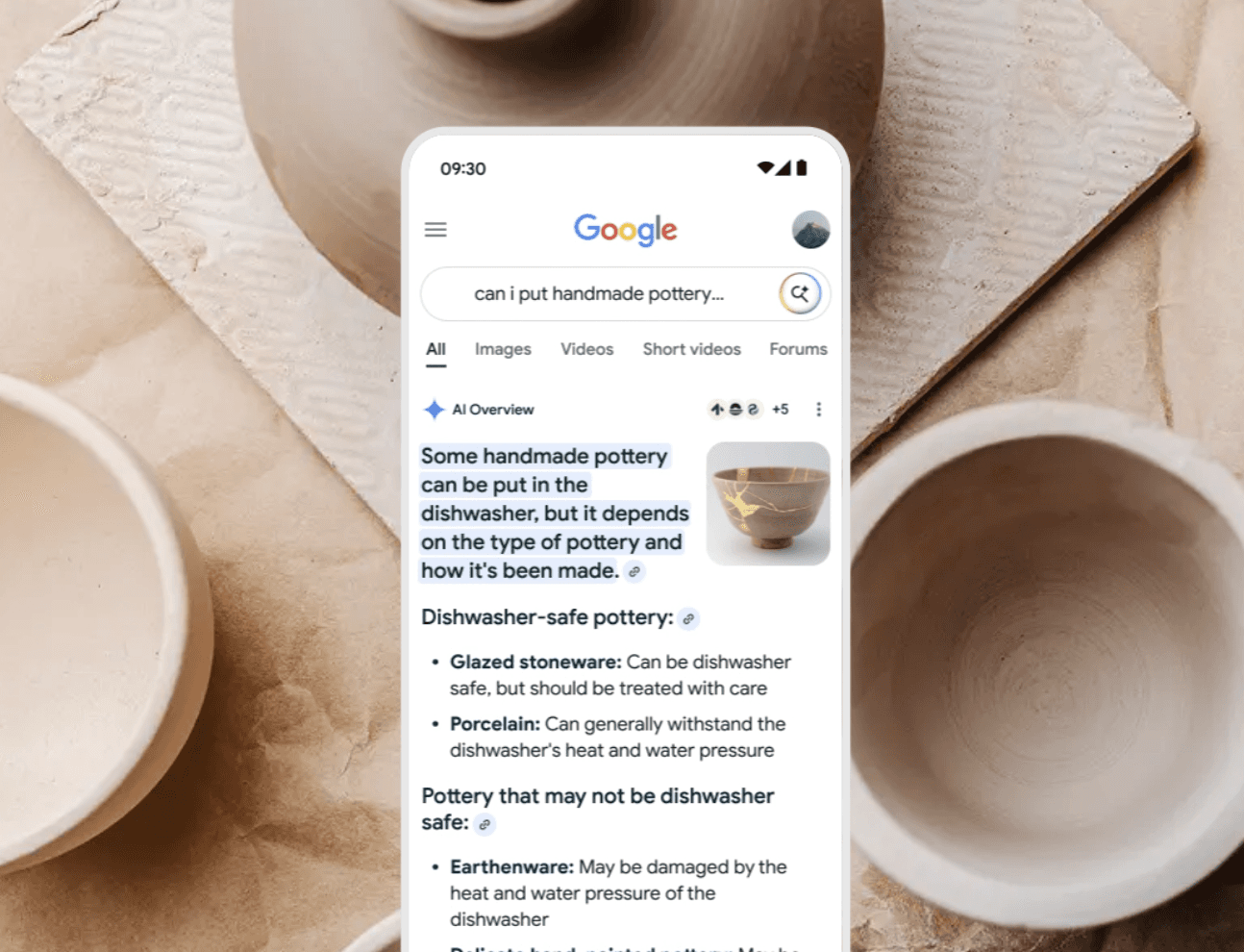
2. AI Overviews dominate search results. Generated answers now appear above organic links, creating a "zero-click" environment where brand visibility happens within summaries rather than through website visits.
3. Content must offer unique value to get cited. AI systems prioritize "high-entropy" content—original data, expert insights, or contrarian viewpoints—while avoiding consensus information already in their training data.
4. Agent-led browsing changes user behavior. AI assistants now research and filter information before users visit websites, requiring brands to structure data for machine reading and optimize for agent synthesis.
5. Visual search became a primary input method. Tools like Google Lens transformed images and video frames into searchable content, requiring brands to optimize all visual assets with schema and descriptive metadata.
2025 marked the definitive shift from a ranking economy to a citation economy. Visibility is no longer about securing position #1 on a static results page. It is about becoming the primary source in a generated AI answer. We observed that brands utilizing Generative Engine Optimization (GEO) and Answer Engine Optimization (AEO) thrived. These brands captured qualified traffic through agent recommendations. Conversely, legacy strategies that focused solely on keywords and backlinks collapsed under the weight of AI Overviews.
We analyzed search traffic patterns and AI adoption reports from 2025 to compile this retrospective. Sources include primary data from Google Search Central and internal visibility audits. We also reviewed proprietary visibility data across the "Big Three" ecosystems: OpenAI, Google, and Perplexity.
Stay ahead of the curve. Subscribe to PromptWire for weekly insights on the shifting search landscape.
The "10 blue links" era has officially ended, replaced by a dynamic environment where AI-first answers serve as the primary interface. We have crossed the tipping point where users no longer scan lists to find answers. They expect synthesized, direct responses. Traditional ranking metrics lost their predictive power in 2025. AI Overviews systematically pushed organic results below the fold. This rendered "rank" a secondary metric to "inclusion."
You must compete to be the primary source cited by the LLM. Ranking is vanity, but being cited is sanity. The goal for 2026 is to be "seen, cited, and chosen" by the model. In this new ecosystem, a citation acts as a trust signal. It also serves as a verification node for the AI.
Ensure your content is machine-readable to avoid being ignored by AI. This exclusion happens if the content is poorly structured or lacks authority signals. We frequently see legacy "power pages" omitted from AI answers. They are often difficult for the model to parse. The model prioritizes semantic clarity over link equity.
Publish data, expert quotes, or contrarian viewpoints. "Quality content" now means "high information gain." AI systems actively avoid rehashing existing consensus. Redundancy devalues the answer generation process. Content teams must pivot from "comprehensive guides" to "specific insights." Cover what no one else has.
Prepare for reduced click-through rates. AI summaries now satisfy user intent directly on the results page. The citation within the summary is the only valuable impression left for top-of-funnel queries. Volume has decreased. However, users who navigate to the source are often looking for deep verification, or are ready to make a purchase.
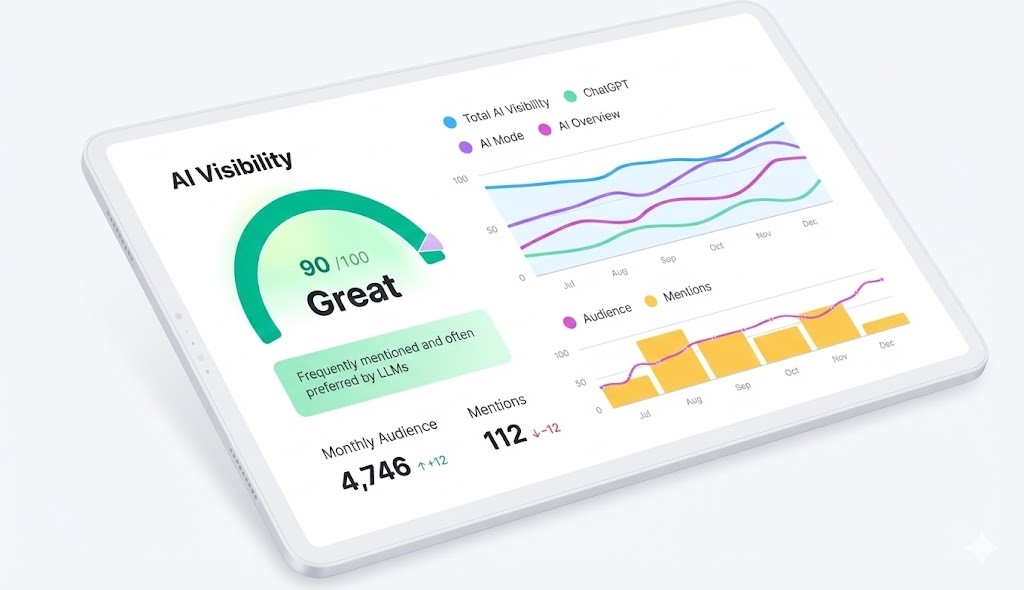
Stop reporting on rank tracking and start measuring citation share of voice. Rank tracking tools tell you where you sit on a page users rarely see. Citation tracking tells you how often you are recommended by the engine. This shift in measurement aligns marketing goals with user behavior.
Marketing stacks now require a dedicated "citation intelligence" layer. You cannot optimize what you do not measure. Traditional rank trackers operate on static lists. They are incapable of seeing inside the "black box" of a generated answer.
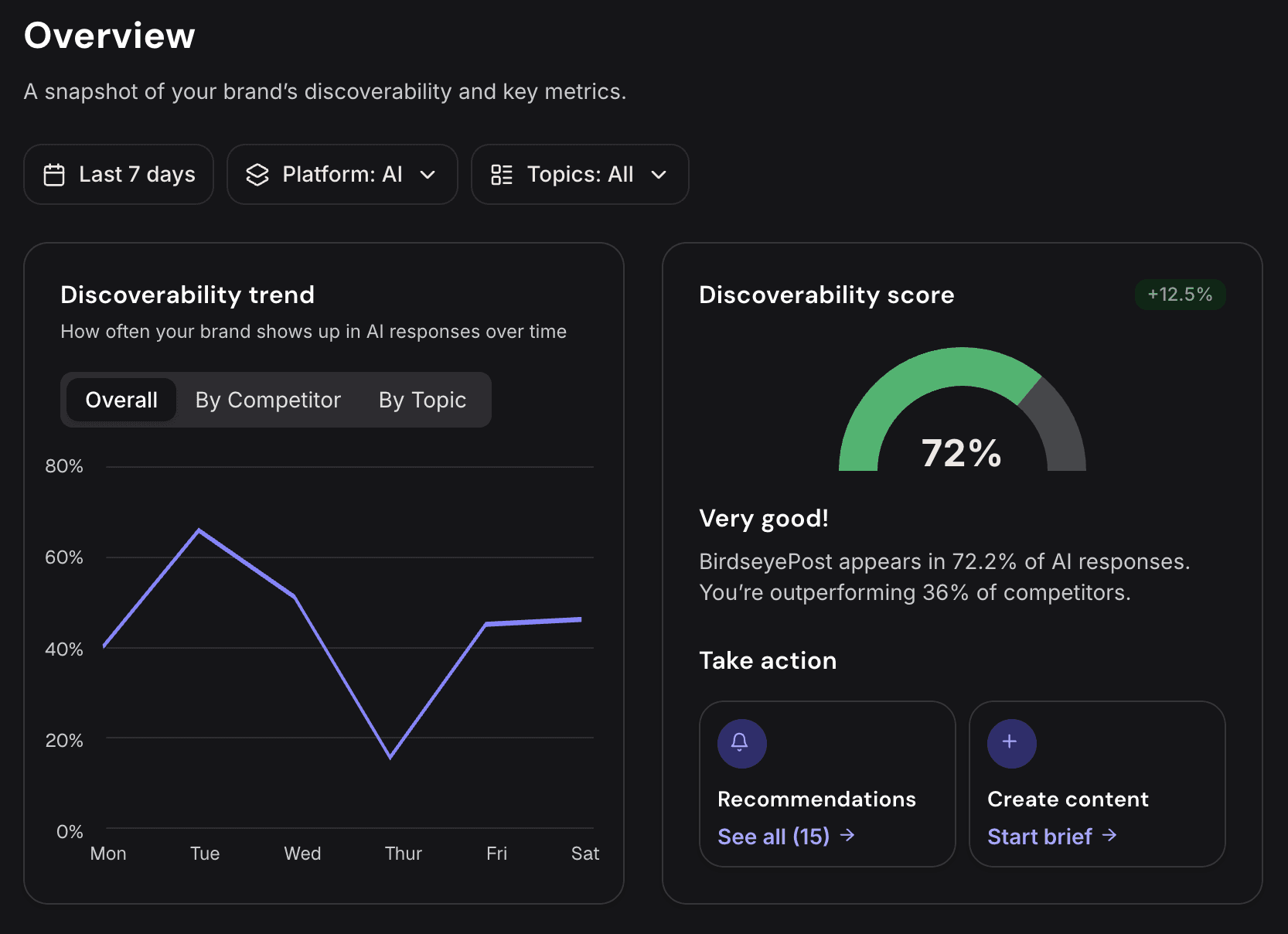
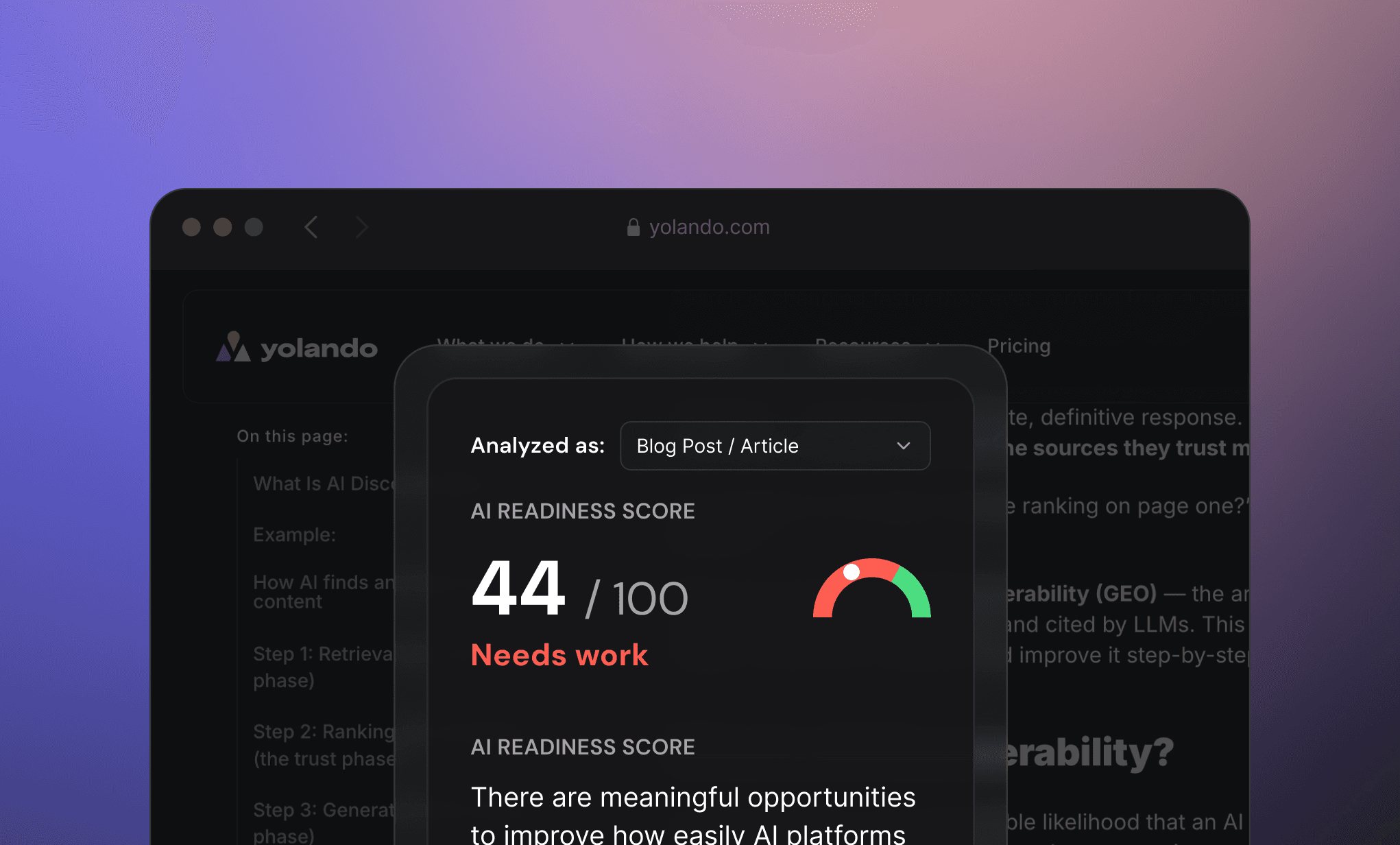
Implement specialized monitoring immediately. Legacy SEO platforms failed to track the new unit of competition in 2025. A rank tracker might report a #1 ranking. Meanwhile, the AI Overview summarizes a competitor's article. This discrepancy created a blind spot that only dedicated AEO tools like Yolando could fill.
Track citation rates across OpenAI, Google, and Anthropic using specialized software. These tools act as a control room for brand sentiment in AI. Operators can see exactly what the models are saying about their brand. Specialized AEO platforms now provide the granularity needed to interpret brand entities.
Operationalize AEO reporting by measuring citation frequency against competitors. Knowing you are ranking is no longer enough. You must know if you are being cited more frequently than your rivals. We run comparative analyses to determine "Share of Citation." This metric correlates more closely with market share than traditional Share of Voice.
The "fold" has moved, and organic results are buried. The dominance of AI Overviews pushed traditional links out of view. Users must scroll significantly to find standard web results. This layout change centers the experience on conversational answers.
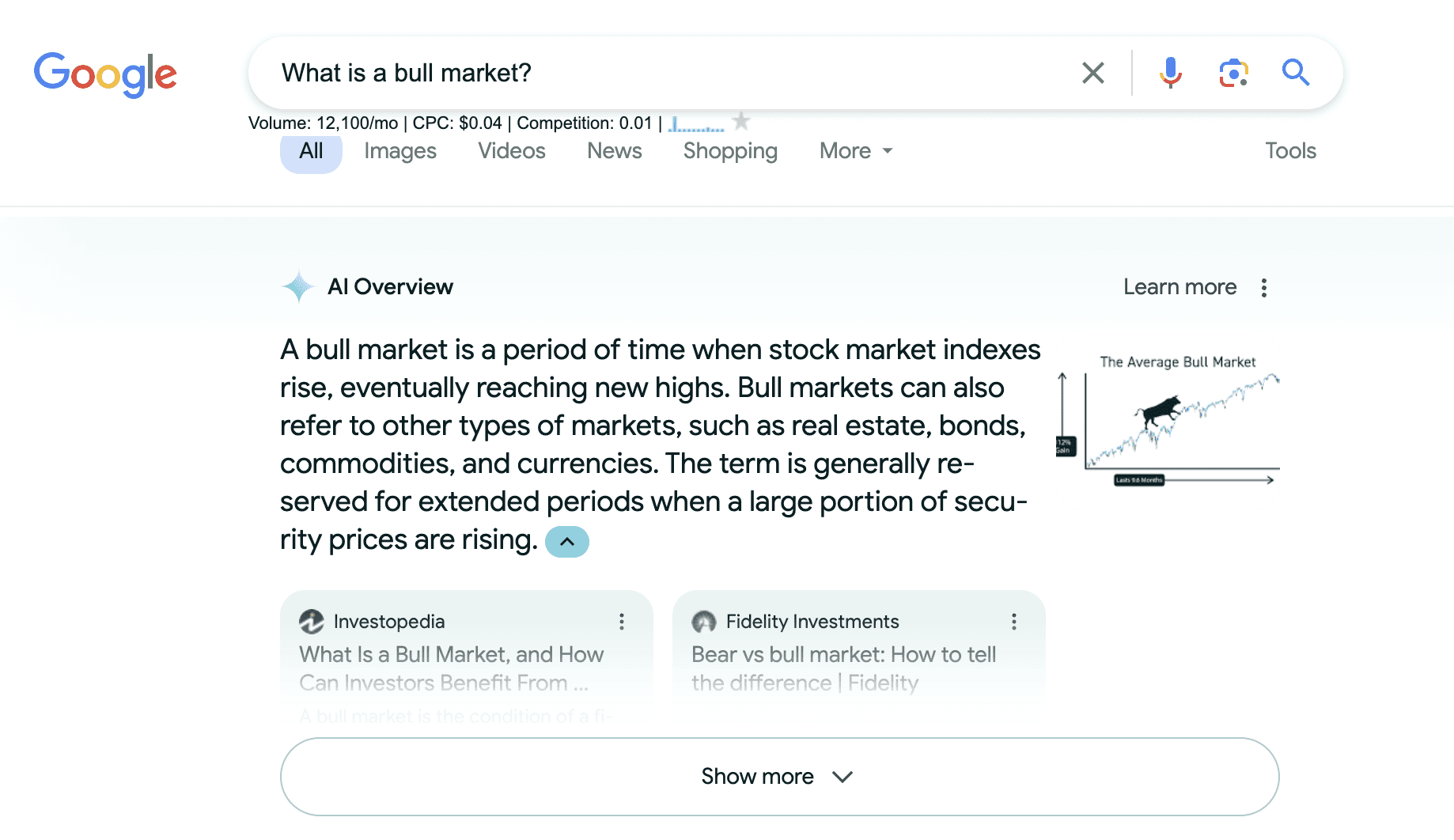
Ensure your brand is represented accurately in summaries. The SERP is now a "zero-click" environment. Referral traffic economics have fundamentally changed. For queries related to definitions or quick facts, the platform captures the value. The win is the brand impression delivered within the answer.
Create detailed resources to attract traffic. Users only click through for deep research or transactions. Traffic in 2026 is bifurcated. "Satisfaction" traffic stays on the engine. "Investigation" traffic clicks through. Content strategies must adapt by offering interactive tools an AI cannot fully replicate.
Optimize for the "answer layer" immediately. AI Overview features are expanding into core Search. We are moving toward a future where the distinction between "Search" and "AI" dissolves. Brands must optimize for this layer to remain visible. The "link layer" is becoming vestigial for discovery.
Agents now act as the primary filter for the web. New "browser-as-assistant" models like Dia, OpenAI's Atlas, and Perplexity's Comet summarize information before a user visits a URL. This trend removes the user from the browsing equation for many tasks.
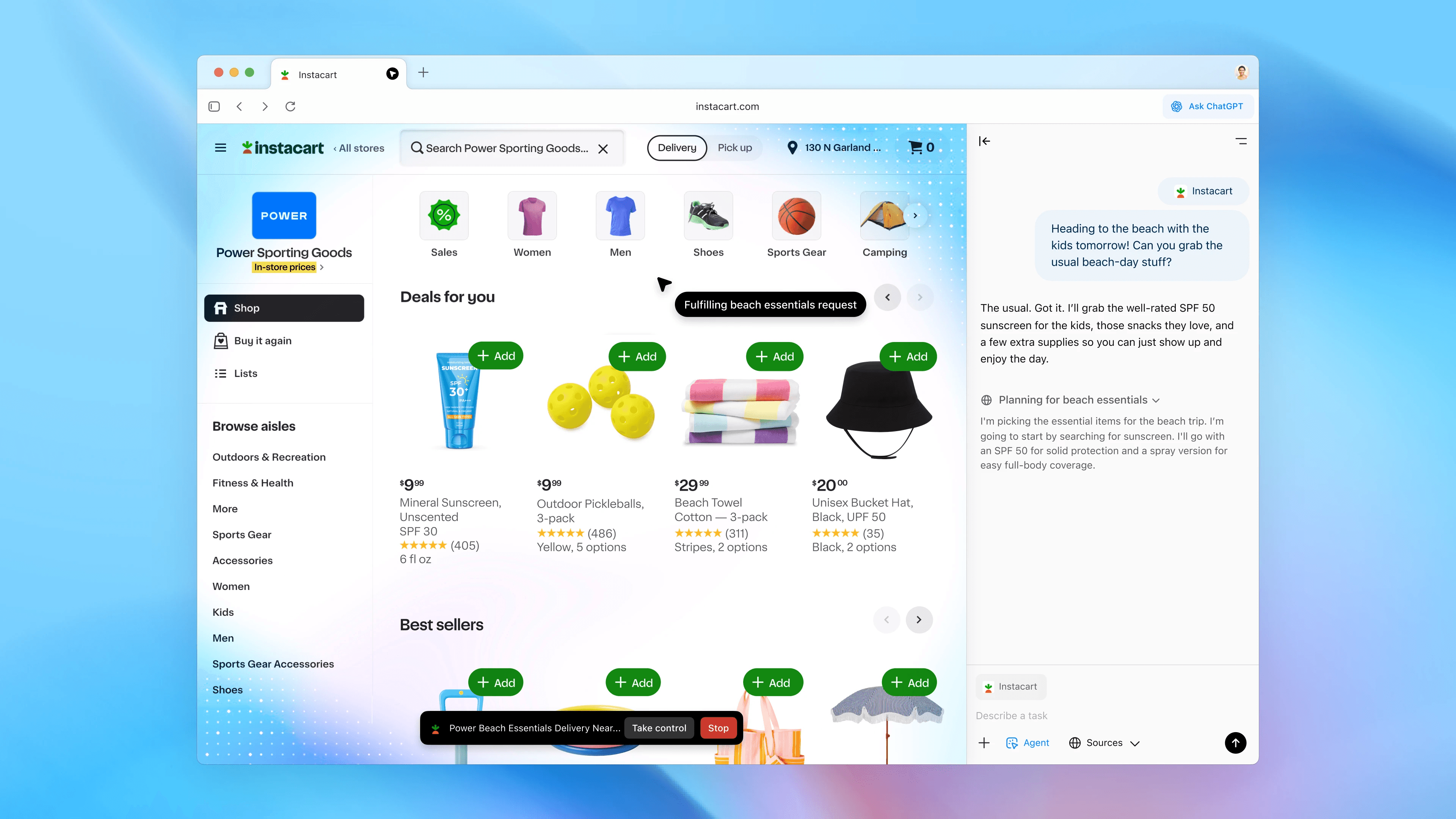
Format your data to be easily read by filters. Agents research and plan on behalf of users. A user planning a trip no longer visits five travel blogs. They ask their agent to "Plan a 3-day itinerary." The agent executes the browsing. If your site blocks agents, you are excluded from this synthesis.
Redefine your funnel entry points to target the agent's summary panel directly. The user journey often begins and ends within the agent's sidebar. The "website" is becoming a backend database for the agent. Marketing funnels must now account for leads pre-vetted by an AI intermediary.
Audit your site for prompt injection vulnerabilities that could manipulate agent outputs. As brands optimize for agents, bad actors find ways to manipulate data interpretation. Security risks have increased for product teams. SEO now includes ensuring your content cannot trick an agent into delivering false information.
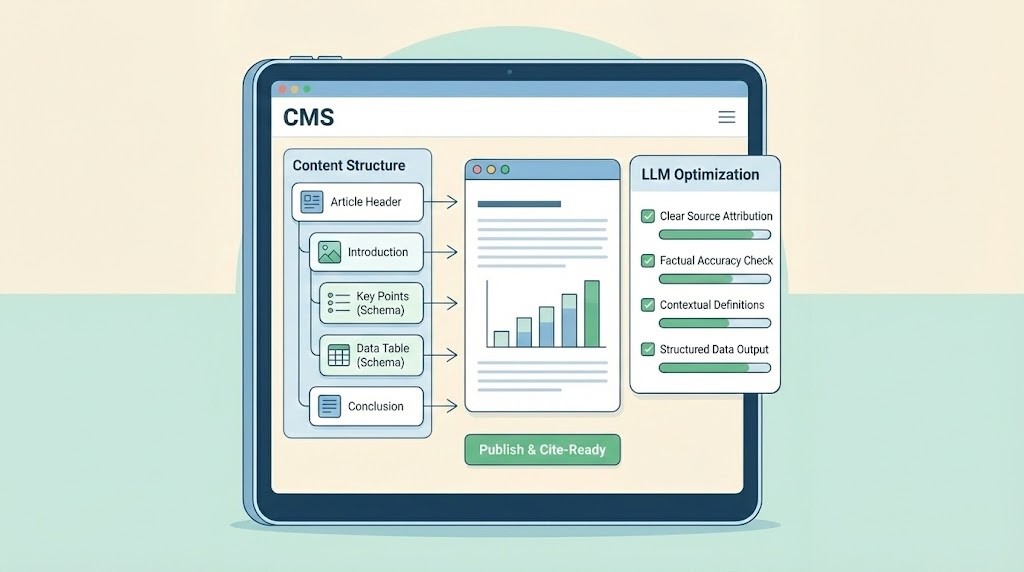
Prioritize clean HTML and schema. Content must be "agent-ready." An agent-ready site has a machine-readable value proposition. Agents struggle to extract pricing or features from unstructured sites. This leads to hallucinations or total brand exclusion.
The camera has become the keyboard. Search inputs have shifted from text-only queries to "showing." This occurs via tools like Google Lens and Circle to Search . Brands must treat visual assets as primary query inputs.
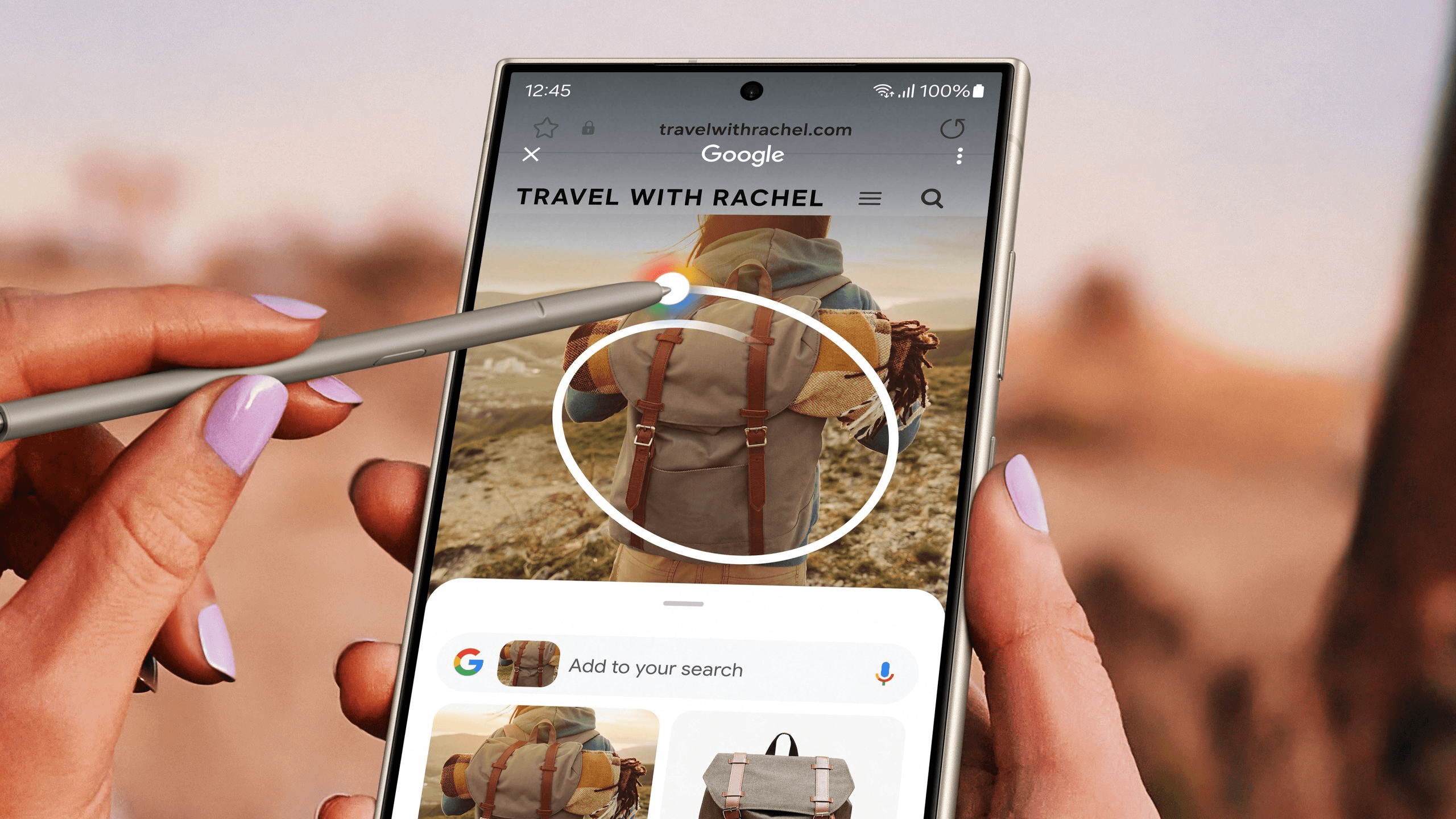
Ensure every image is search-ready. Users receive AI insights directly from visual inputs. You can point a camera and ask a question immediately. The AI analyzes visual data and retrieves context. It then provides an answer without text input.
Optimize video content deeply. Search engines parse frames as effectively as text. They can identify specific products within a lifestyle image. They also parse tutorial steps within a video. Brands that neglect image optimization are invisible to these visual queries.
Add high-resolution images and schema. Multimodal query integration relies on structured data. When a user queries an image, the AI relies on the underlying structured data. Without precise product schema linked to the image, the connection is lost.
Contextualize your media to capture traffic. Unoptimized assets are invisible. If your visuals lack context, you miss modern query traffic. We consistently see that brands investing in high-fidelity image libraries outperform others. Schema-tagged libraries are essential for success.
Use this checklist to ensure your brand is prepared for the citation economy:
Audit for Information Gain: Review top pages. Do they offer unique data or just summarize consensus?
Implement Schema for Agents: Ensure all key entities use structured data that LLMs can parse.
Establish a Citation Baseline: Measure share of voice in ChatGPT, Perplexity, and Gemini.
Optimize Visual Assets: Add descriptive alt text to all images to capture multimodal traffic.
Update Crisis Protocols: Create a playbook for addressing negative sentiment in AI answers.
Generative Engine Optimization (GEO) focuses on optimizing content structure for synthesis by any AI model. Answer Engine Optimization (AEO) targets specific inclusion in direct answer engines, focusing on citation mechanics and entity authority.
You must use dedicated AI visibility platforms that run controlled prompts. These tools quantify how often your brand is cited compared to competitors for your target keywords. This provides a "Share of Citation" metric.
No, but its function has shifted. Technical SEO remains essential for crawling—if Google can't crawl you, Gemini can't cite you. However, GEO is now required to ensure that once crawled, your content is actually used in the answer.
The best tools track citation rates across the "Big Three" ecosystems. Look for platforms that monitor OpenAI, Google, and Anthropic simultaneously. This gives a complete picture of your AI presence.
Lead the AI shift. Subscribe to PromptWire for the latest playbooks on mastering the citation economy.